

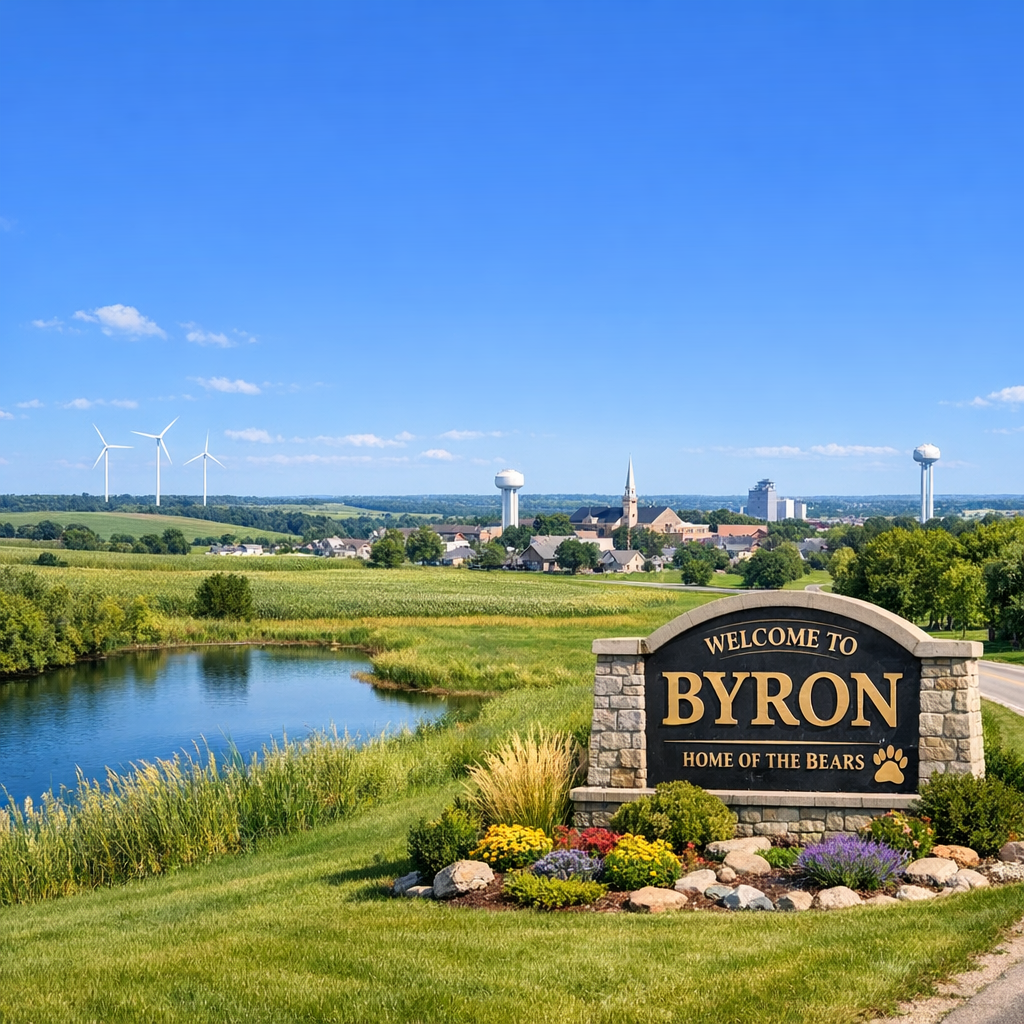
Byron, Minnesota, experiences a diverse climate characterized by distinct seasonal changes. Understanding these patterns can help residents and visitors prepare for the varying weather conditions throughout the year.
Seasonal Temperature Variations
In Byron, the warm season spans approximately four months, from mid-May to mid-September, with average daily high temperatures exceeding 70°F. July stands out as the hottest month, boasting an average high of 81°F and a low of 62°F. Conversely, the cold season lasts about three months, from late November to early March, with average daily highs below 35°F. January is typically the coldest month, featuring an average low of 9°F and a high of 24°F.
Precipitation Patterns
Annual precipitation in Byron averages around 34.7 inches, with rainfall fairly evenly distributed throughout the year. June is the wettest month, receiving an average of 5 inches of rainfall, while January is the driest, with about 1.02 inches. Snowfall is significant during the winter months, contributing to the region’s snowy landscape.
Environmental Considerations
Recent observations indicate that rainfall in Minnesota is becoming more intense and irregular. This shift includes wetter springs, drier summers, heavier rain events, and longer dry spells without measurable rainfall. Such changing precipitation patterns can stress water resources and stormwater management systems, leading to unique flooding challenges across different regions.
Water Conservation Efforts
In response to these environmental changes, the city of Byron has implemented water rationing measures to manage the demand on its aquifer. Residents are encouraged to follow an ‘odd and even sprinkling plan,’ watering their landscapes every other day based on their address number. Additionally, watering is discouraged from noon until 6 p.m. during hot weather to minimize evaporation losses.
By staying informed about Byron’s climate and participating in conservation efforts, the community can better adapt to its environmental conditions and promote sustainable resource use.