

By Olivia Johnson
Water is something many of us in Byron, Minnesota take for granted: clean from the tap, plentiful in lakes, predictable in rivers. Yet around the world, millions no longer have reliable access to clean water—or enough of it. Beyond droughts and disappearing glaciers, a broader crisis is unfolding: a growing mismatch between supply and demand, environmental damage, and economic risk.
What’s Driving the Crisis
Climate Change and Droughts
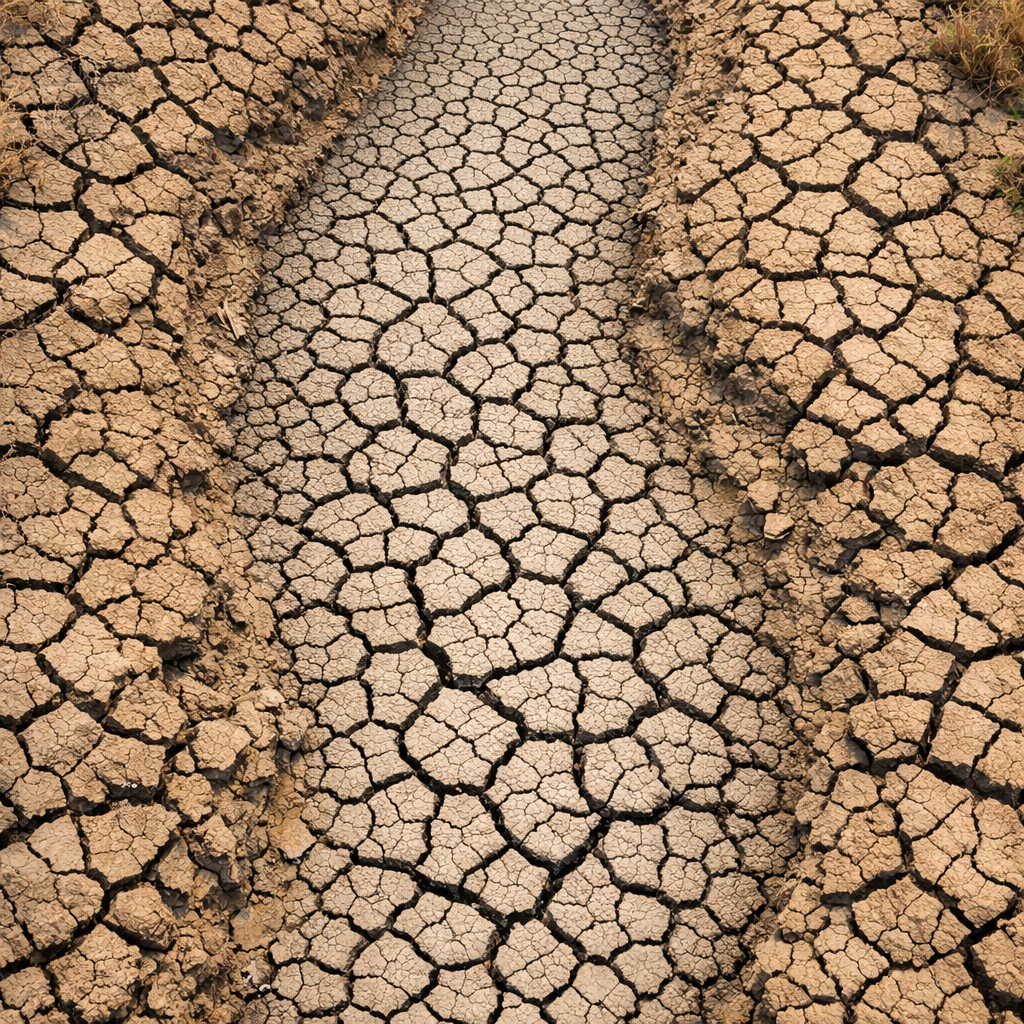
Warmer temperatures increase evaporation and reduce snowpack—two big sources of freshwater. When rains arrive, they often fall in more intense bursts, challenging storage and distribution systems in many countries. Projections suggest many regions will experience prolonged droughts, reduced soil moisture, and declining surface water levels.
Population Growth, Agriculture, and Industry
More people means more food production, more industry, more pressure on freshwater. Agriculture alone uses nearly 70% of all freshwater in many parts of the world. Meanwhile, urban expansion adds demand for domestic water and stresses aging infrastructure built for smaller populations.
Pollution, Overuse, and Degradation
Water quality is as big a concern as quantity. Pollution from agriculture, industry, and waste disposal contaminates water, limiting its use. Overdrawing groundwater faster than it recharges damages ecosystems, causes land to sink, and reduces long-term resilience.
Global Scale and Local Impact
Some 1.8 billion people still lack drinking water in their homes. Nearly half the world’s population struggles with safely managed sanitation, and more than 10% live under high or critical water stress. The result? Health crises, food shortages, migration, and growing tension between communities and nations over shared water resources.
What Kind of Solutions Are Emerging
Better Water Management and Cooperation
Many countries are developing more efficient irrigation, conservation, and reuse programs. Transboundary agreements over rivers and aquifers are increasingly seen not as diplomatic luxuries, but necessities. This includes sharing data and jointly planning how to deal with droughts and floods.
Upgrading Infrastructure and Monitoring
Fixing leaks, expanding clean water treatment, and ensuring reliable access all matter. Advances in remote sensing and data science are helping track water sources, predict shortages, and plan for climate impacts long before crises hit.
Why It Matters Here
Even though we’re far from many water-scarce regions, Minnesota is not immune. Changing snowfall patterns, shifting precipitation, and heat-driven droughts stress our reservoirs and watersheds. Beyond environmental concern, water instability can affect food supply, real estate values, recreation, and public health.
Steps We All Can Take
- Support local conservation: reduce lawn watering, fix leaks, use native or drought-tolerant landscaping.
- Stay informed about community water planning and infrastructure upgrades.
- Participate in public discussions about development, land use, and natural resource protection.
- Encourage and support policies that promote sustainable water use, clean water access, and climate resilience.
The global water crisis is not just a story of distant lands—it’s a call to action everywhere. Because when it comes to water, no community is truly isolated.